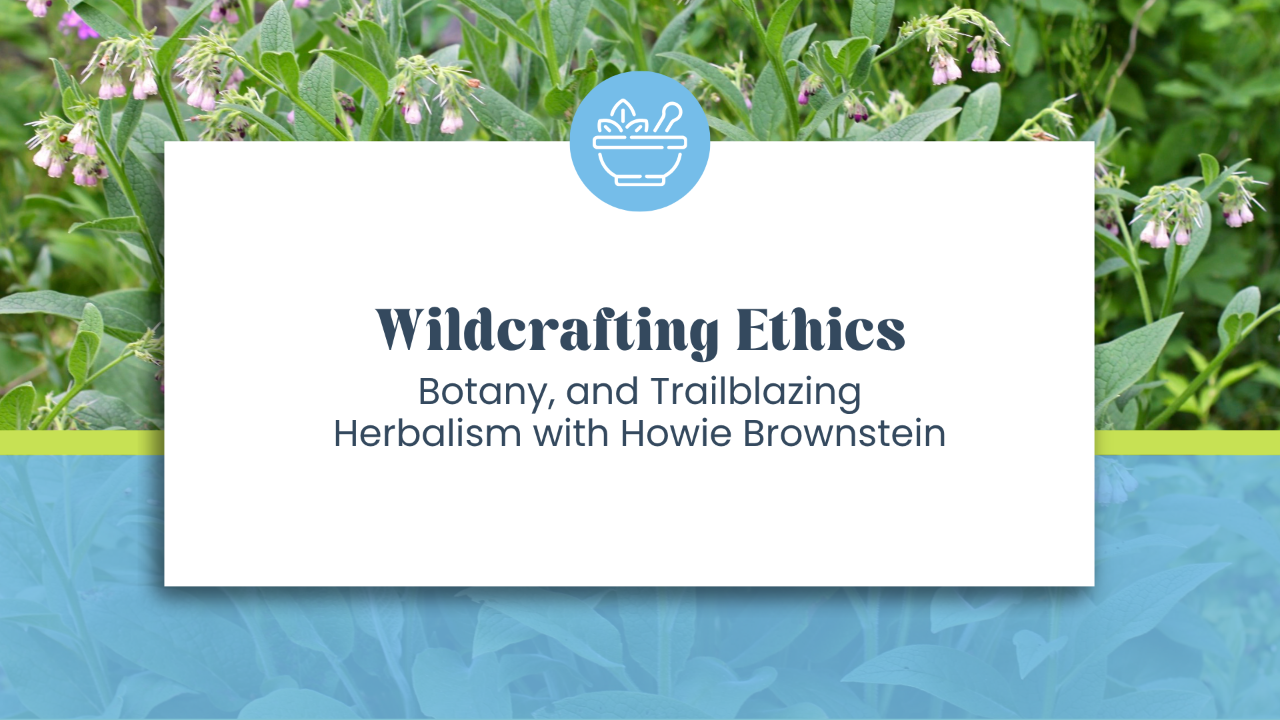
Herbalism for Resilience: Ethical Wildcrafting and Connection with Elaine Sheff
Herbalism asks more of us than just knowing what plants do. It asks how we relate to them.
In this episode of The Herbalist’s Path, I’m joined by Elaine Shefff of Green Path Herb School, an herbalist and educator whose work centers around ethical wildcrafting, herbal stewardship, and building meaningful relationships with the natural world. Together, we explore what it looks like to practice herbalism in a way that supports both environmental and social resilience.
Because herbalism is not just about remedies. It is about relationship.
Herbalism Begins With Relationship
For many people, herbalism starts with learning: What herb helps with sleep? What supports digestion? What lowers inflammation?
But eventually (hopefully), something shifts. You begin to see that plants are not just tools or ingredients. They are living beings, part of an interconnected system that we rely on completely. And yet, most of us have been raised outside of that awareness. We move quickly. We consume. We take.
Herbalism offers a way back into plant connection practices; a slower, more reciprocal way of being with the natural world.
The Reality of Ethical Wildcrafting Today
With the rise in popularity of herbalism, more people are harvesting plants than ever before. And while that’s exciting, it also creates pressure on ecosystems. That’s where ethical wildcrafting becomes essential.
You’ve probably heard simple rules like:
- “Take one in ten”
- “Harvest no more than 25%”
But the truth is, sustainable harvesting herbs isn’t that simple anymore.
Those guidelines don’t account for:
- Increased harvesting by others
- Climate stress on plant populations
- Habitat loss
- Slow-growing or vulnerable species
So instead of relying on fixed rules, we need to develop awareness.
What Sustainable Harvesting Actually Looks Like
Responsible foraging is about observation first, harvesting second.
Before you pick anything, ask:
- Is this plant abundant right here?
- Does it look healthy and thriving?
- What stage of growth is it in?
- Has this area been impacted by drought or stress?
- Are there signs that others have already harvested here?
And most importantly: Can I harvest in a way that leaves this place unchanged?
If your impact is obvious, you’ve likely taken too much. This is the heart of herbal stewardship, protecting the ecosystems that make herbalism possible in the first place.
Start With Abundant Plants
If you’re building confidence with harvesting, start with plants that are resilient and plentiful. This is one of the simplest ways to practice responsible foraging.
Working with abundant plants:
- Reduces pressure on vulnerable species
- Builds your harvesting skills
- Deepens your relationship with local ecosystems
Bioregional Herbalism: Know Your Local Landscape
One of the most important shifts you can make is toward bioregional herbalism.
Instead of relying only on books or herbs from other regions, you begin to:
- Learn the plants that grow where you live
- Observe the same places over time
- Notice seasonal and environmental changes
This kind of connection builds real understanding.
You start to see patterns:
- When plants emerge and fade away
- How weather impacts growth
- Which areas are thriving and which are struggling
That awareness leads to better decisions because you’re no longer guessing. You’re connecting, building a relationship.
Plant Connection Practices Are Everything
Spending time with plants, without harvesting, is one of the most overlooked parts of herbalism. Simple plant connection practices might include:
- Sitting quietly with a plant
- Observing it through the seasons
- Noticing how it grows and spreads
- Developing familiarity before using it
This is where herbalism becomes more than knowledge. It becomes a relationship.
Herbalism and Environmental Resilience
Healthy ecosystems are the foundation of herbal medicine. Without thriving plant populations, there is no herbalism. That’s why herbalism and environmental resilience are deeply connected.
Herbalists can support this by:
- Harvesting responsibly
- Growing medicinal plants
- Protecting wild spaces
- Educating others about sustainable practices
Social Resilience: Supporting People, Too
Herbalism isn’t only about the land. It’s also about people. Social resilience herbalism asks: How can we support our communities in meaningful, accessible ways?
That might look like:
- Sharing herbs or knowledge
- Offering low-cost or free education
- Supporting community gardens
- Participating in mutual aid
Small, consistent actions make a real difference.
Sustainability Includes You
There’s an important piece that often gets overlooked: You are part of the system too. If you’re exhausted or overextended, you can’t sustain your work.
So part of herbal stewardship is learning where your energy is best used. Resilience only works when it’s sustainable for ecosystems and for you.
Start Where You Are
You don’t need to do everything at once. Start small:
- Learn one plant deeply
- Observe before harvesting
- Take less than you think you need
Let your relationship with plants guide you forward. Because herbalism isn’t just about what you know. It’s about how you show up.
A Final Note
Ethical wildcrafting, sustainable harvesting, and herbal stewardship are not separate from herbalism.
They are herbalism.
And as more people turn toward plant medicine, this responsibility becomes even more important.
For the plants. For our communities. And for the future of herbalism itself.
Connect with Elaine
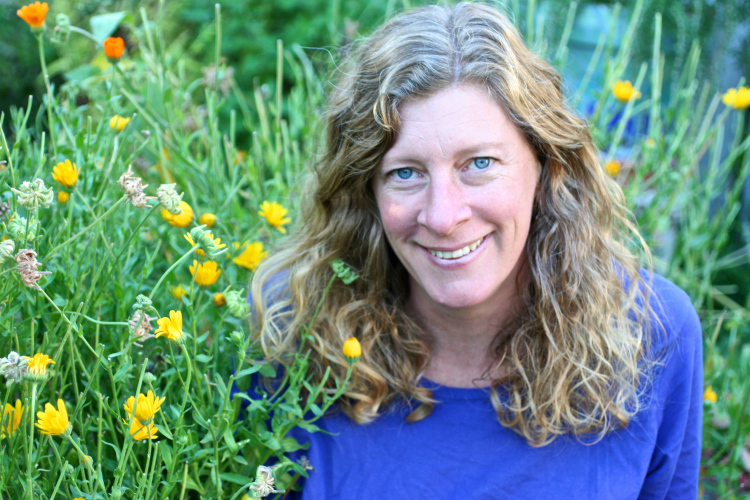
Find her through Green Path Herb School in Missoula, Montana, where she co-directs programs and offers classes and mentorship in herbal medicine. You can also learn from her through workshops and conferences she teaches at across the country and internationally.
Do You Have The Right Remedies On Hand?
Whether it’s a tummy ache, sleepless nights, or boosting immunity, The Ultimate Guide to Stocking Your Natural Medicine Cabinet has the top-quality remedies you need. Tested by a clinical herbalist—and her kid too!
Grab your guide below👇🏼
We hate SPAM. We will never sell your information, for any reason.
Hi, I'm Mel