Know One Herb 40 Ways Will Make You a Better Herbalist, Than Knowing Hundreds of Herbs
You’ll reach a whole new level of empowerment and herbal skills when you stop trying to learn all the herbs and start really getting to know just a few of them.
When you know an herb on a deep level, you can reach for it in a pinch even when your usual go-to isn't available. You understand its properties well enough to apply them to situations you haven't encountered before. You feel empowered instead of overwhelmed. And honestly, you spend a lot less money. After 25 years of practicing herbalism, the herbs I reach for regularly come down to about 5-10. The rest are in the apothecary for specific situations.
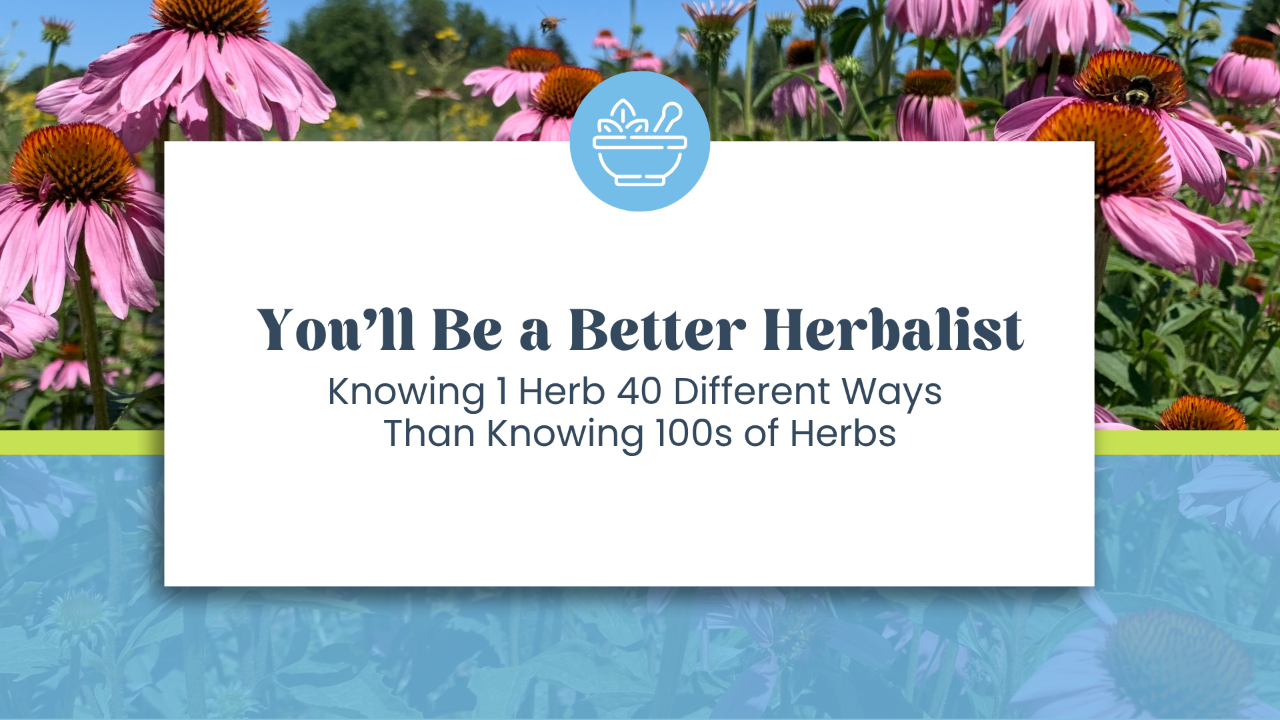
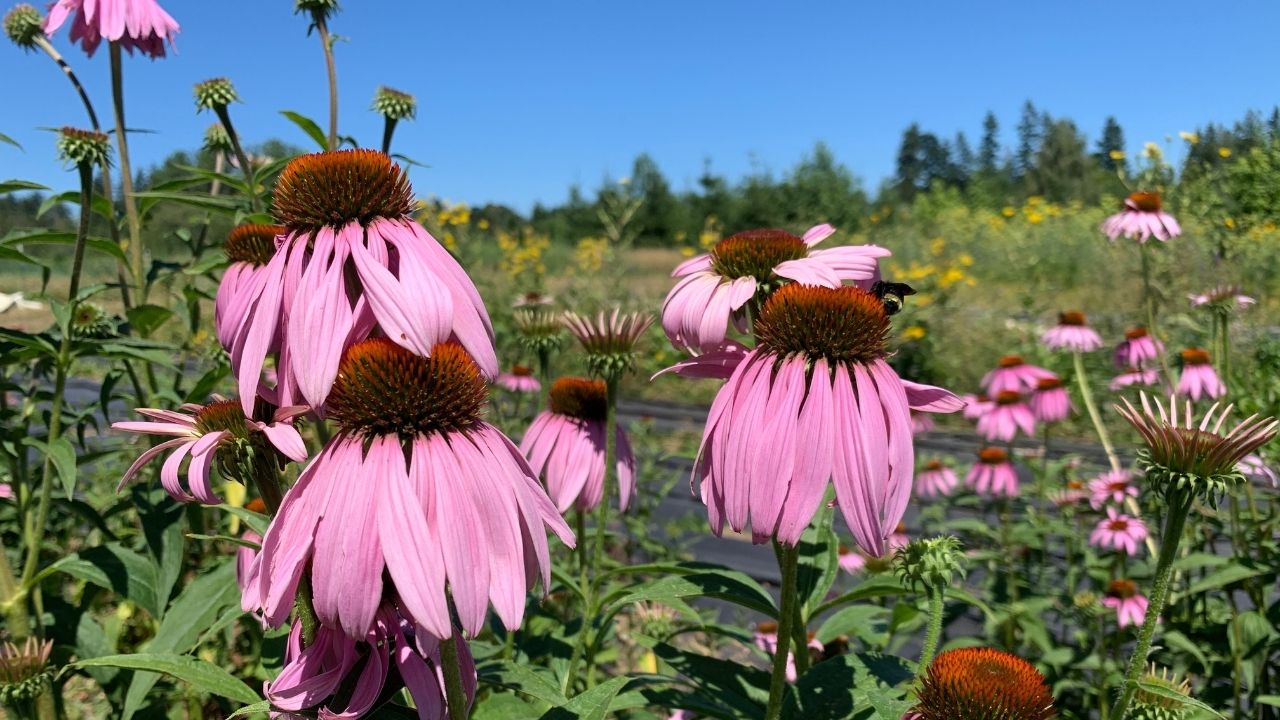
Echinacea: Way Beyond Cold and Flu
Echinacea spp.
Echinacea is one of the most talked-about herbs in modern herbalism, and for most people its reputation begins and ends with immune support. Which is fair. It really is excellent for that. But echinacea is so much more than its social media claim to fame.
Here's what else echinacea can do for you:
- Wound healing: Echinacea regenerates skin cells and tissues and acts as an antimicrobial on open wounds, protecting against infection when that protective skin barrier is broken.
- Lymphatic support: It gets the lymph flowing and activates immune cells, making it a great ally when recovering from illness or when that heavy, sluggish post-winter feeling sets in.
- Toothaches and mouth infections: A tincture applied directly to a sore tooth or gums can provide big time relief, with a bit of a tingle. And it will fight the infection too.
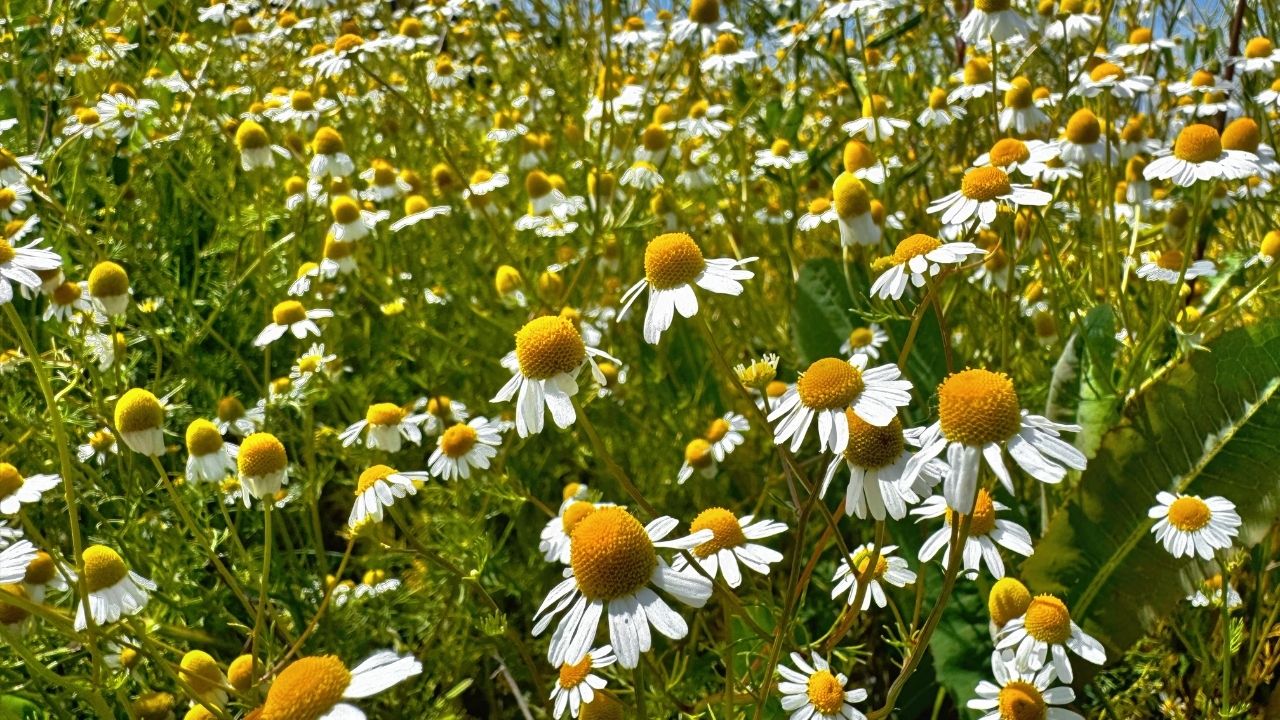
Chamomile: Not Just the Sleepy Time Herb
Matricaria chamomilla
Chamomile is that herb most people reach for it when they want to sleep or calm down. And it does both of those things beautifully. But chamomile is also one of the better digestive herbs around, and that connection is so much more useful than most people realize.
My daughter used to complain of a tummy ache every time she started feeling anxious. Chamomile was able to soothe both things at once. The nervine action calmed her anxious nervous system. The bitter and antispasmodic properties eased the digestive cramping that came with it. Eventually, she had developed a relationship with chamomile that was so deep, just knowing the tea was being made was enough to calm her..
One herb, one person, one connected issue. One deep relationship with Chamomile, problem solved.
What chamomile can do for you:
- Stimulate digestive secretions and bile flow as a bitter herb
- Ease cramping and spasm in the digestive tract as an antispasmodic
- Relieve gas and bloating as a carminative
- Cool heat and redness in the skin topically
- Soothe irritated or pink eyes as a gentle wash
- Calm anxiety and nervous system activation as a nervine
The Top 5-Herbs In My Apothecary
If I had to pare things all the way down to five herbs and only five, I would choose echinacea, yarrow, plantain, calendula, and tulsi. Five plants, known on a deep level can handle a lot of what life throws at you. You could even work with just 10 and be super solid.
You don't need all the herbs. You need to know the ones you have really, really well.
What's New: The Shop, Herbal Monographs, and Substack
Something exciting is coming over on The Herbalist's Path website. A new shop where many of the programs, workshops, and herbal monographs I've built over the years will finally be available and easy to find. The monographs specifically come from the deep herb-of-the-month dives we do inside the Community Herbalist Certification and Mentorship Program, and they are exactly the kind of in-depth single-herb study that makes this whole approach work.
There's also an herb of the month series coming on Substack, which I am so excited about. It feels like a real, grounded space to dig into plants without all the social media noise. Come find The Herbalist's Path over there and join in.
How You Can Get To Know Herbs On A Deeper Level
Slow down. Pick a plant. Spend some real time with it. Taste it, smell it, feel it in your body, watch it grow. Learn how to use it for three different things, then five, then ten. That kind of intimacy with a plant is what makes the difference between someone who thinks herbs are cool and someone whose community can actually count on them.
If you want support going deeper on this journey, the Community Herbalist Certification and Mentorship Program is built exactly for this. Every month we cover one body system, the herbs that support it, and the clinical knowledge to apply them with confidence.
Do You Have The Right Remedies On Hand?
Whether it’s a tummy ache, sleepless nights, or boosting immunity, The Ultimate Guide to Stocking Your Natural Medicine Cabinet has the top-quality remedies you need. Tested by a clinical herbalist—and her kid too!
Grab your guide below👇🏼
We hate SPAM. We will never sell your information, for any reason.
Hi, I'm Mel